Healthy School Snacks Kids Will Actually Eat
Easy, healthy snack ideas for school that travel well and keep kids going until lunch, plus packing tips and a note on checking school allergy policies.
- 3 min read
- Guide
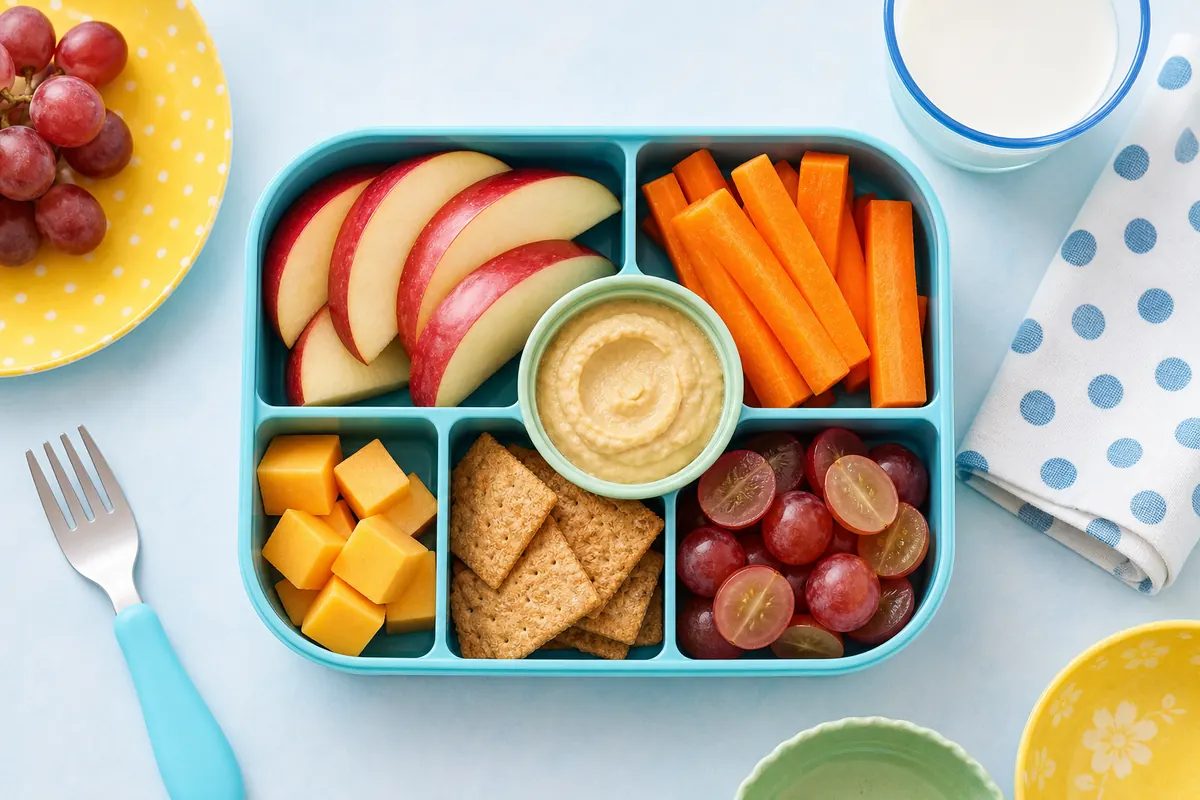
The first weeks of the school year bring new pencils, new routines and the daily question of what to put in the snack bag. A good school snack should be easy to eat, survive a few hours in a backpack and give children enough energy to concentrate until lunchtime.
The best snacks usually combine two things: something with fiber, such as fruit, vegetables or whole grains, and something with protein or healthy fat to keep hunger away a little longer.
Check the rules first
Before you start packing, find out what your child's school allows. Many schools are nut-free because of severe allergies, and some have rules about sugary snacks or packaging. Some classrooms also have specific requests, such as only fruit or vegetables in the morning. Following these rules keeps every child safe.
Fruit and vegetable snacks
- Apple slices tossed in a little lemon juice to prevent browning
- Clementines, which are easy to peel and come in their own wrapper
- Grapes, cut lengthwise into halves or quarters for younger children to reduce the choking risk
- Carrot and cucumber sticks with a small container of hummus
- Snap peas or cherry tomatoes
- Banana, perhaps with a few whole-grain crackers
Protein-packed options
Cheese cubes or a cheese stick, a small pot of yogurt, a hard-boiled egg or a few slices of turkey rolled up with cheese all provide protein. Roasted chickpeas make a crunchy alternative to chips. If your school allows them, seed butters made from sunflower seeds are a useful option for spreading on crackers or apple slices.
Homemade baked snacks
Making your own snacks lets you control the amount of sugar and the ingredients. Simple ideas include:
Oat and banana muffins: mash ripe bananas with oats, an egg, a little milk and a pinch of cinnamon, and bake as small muffins. They freeze well and thaw by snack time.
Vegetable mini muffins: grated zucchini, carrot and cheese in a savory batter make a filling alternative to sweet snacks.
Homemade granola bars: combine oats, honey, seeds and dried fruit and press into a pan before baking. Check that the ingredients meet your school's allergy rules.
Packing tips
Small reusable containers keep cut fruit and dips from leaking and are easier for little hands to open than some packaging. Practice opening containers at home before the first day, so your child is not stuck waiting for help. In warm weather, add an ice pack to keep dairy and eggs cold.
Keep the portion sensible. A snack is meant to bridge the gap until lunch, not replace it. If your child often comes home with an untouched lunch, the morning snack might be too large.
Let kids choose
Give your child a choice between two or three healthy options each day. Making a weekly "snack menu" together on the weekend can help children feel involved and makes your mornings faster, too. You might be surprised by how much more they eat when they picked it themselves.
Keep it simple
School snacks do not need to be elaborate or picture-perfect. A piece of fruit and a cheese stick is a perfectly good snack. Consistency and variety over the week matter far more than any single day. If your child eats well most of the time, the occasional packet of crackers is not worth worrying about.