Italian Pasta Classics Kids Grow Up On
The simple pasta dishes Italian children really eat at home, from pasta in bianco to pastina in brodo, with tips for making them at your own family table.
- 3 min read
- Guide
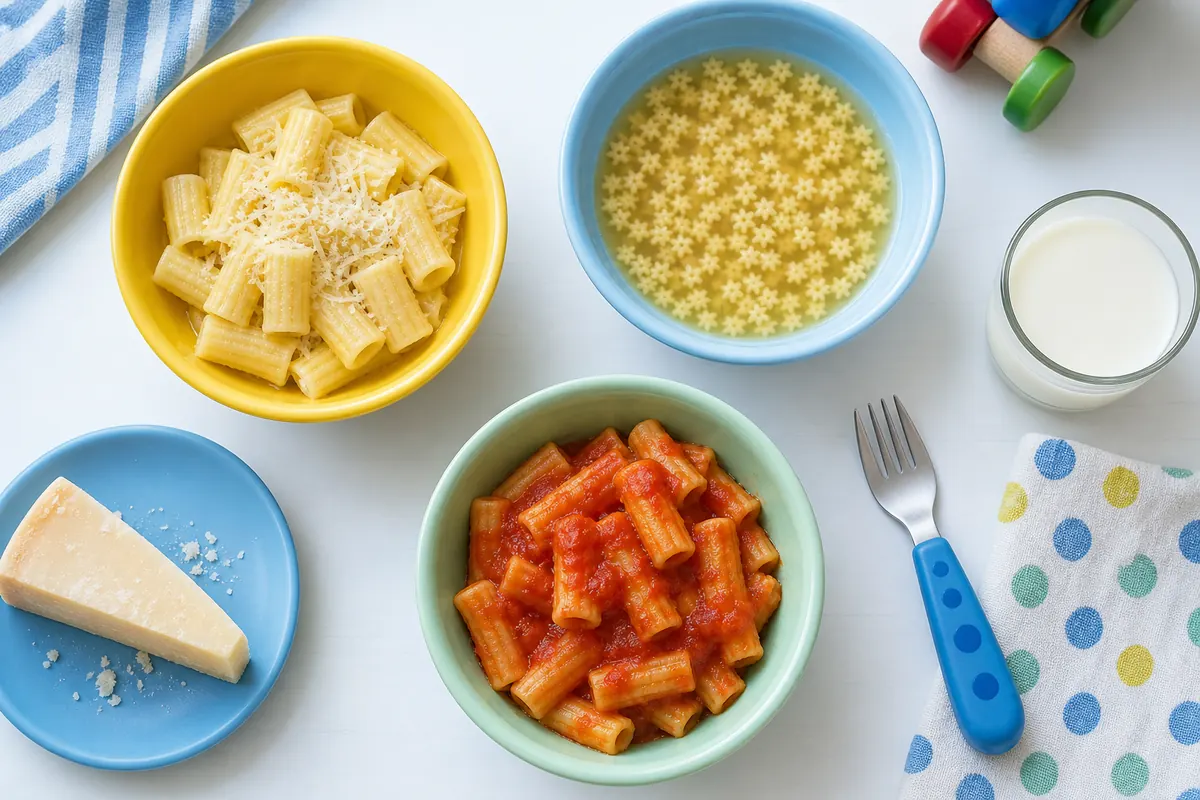
When people outside Italy think of Italian food for children, they often picture spaghetti with meatballs or mac and cheese with an Italian name. The dishes Italian kids actually grow up eating are usually simpler than that. They tend to rely on a few good ingredients, short cooking times and plenty of grated cheese.
Here are five classics worth adding to your rotation. Each takes about as long as the pasta needs to cook.
Pasta in bianco
"White pasta" is the Italian comfort dish for a child with a stomach ache, a long day or simply a love of plain food. It is just pasta tossed with butter or olive oil and Parmigiano Reggiano. Save a splash of the cooking water and stir it in with the cheese; the starch helps everything cling to the pasta instead of clumping. Short shapes such as farfalle, penne or conchiglie are easiest for small children to eat.
Pastina in brodo
Pastina means "little pasta," and the tiny stars, alphabet letters or rice-shaped pieces are often cooked in broth and finished with butter and cheese. In many Italian homes it is one of the first pasta dishes a toddler eats, and it is still what many adults crave when they feel under the weather. Use a good chicken or vegetable broth, since it carries most of the flavor.
Pasta al pomodoro
A quick tomato sauce is the backbone of Italian family cooking. Warm olive oil with a whole peeled garlic clove, add a can of good tomatoes or passata, and simmer for 15 to 20 minutes with a pinch of salt. Remove the garlic before serving if your kids are wary of it, and tear in fresh basil at the end. The sauce freezes well, so make a double batch.
Pasta e piselli
Pasta with peas is a southern Italian dish that is somewhere between a soup and a pasta course. Soften a little onion in olive oil, add frozen peas and some broth, then cook small pasta, such as ditalini, directly in the pot. Finish with Parmigiano. Some versions include diced ham or pancetta, which adds a gentle saltiness children usually like.
Pasta al forno
Baked pasta is the Sunday dish in many Italian homes. Cooked pasta is mixed with tomato sauce, mozzarella and sometimes small meatballs or ham, covered in cheese and baked until the top is crisp. It is a good way to use up leftover sauce, and it can be assembled ahead and baked when needed.
For more everyday inspiration straight from Italian kitchens, the recipe collection at Ricette Quotidiane is a nice place to browse; the name means "everyday recipes," which is exactly the kind of cooking this article is about.
A few Italian habits worth borrowing
- Salt the water well. Pasta absorbs salt as it cooks, so a properly seasoned pot means you need less salt later.
- Do not rinse the pasta. The surface starch helps the sauce stick.
- Sauce lightly. In Italy, pasta is dressed with sauce rather than drowned in it.
- Grate cheese at the table. Kids love doing it themselves, and freshly grated Parmigiano melts better than the pre-grated kind.
Portions and pairing
In Italy, pasta is often served as a first course, followed by a small second course of meat, fish or eggs with vegetables. For a weeknight family dinner, you can simply add a side salad or some roasted vegetables to make the meal more balanced. Steamed green beans dressed with olive oil and lemon go with almost anything on this list.
The beauty of these recipes is their flexibility. Once your children know and like the basics, you can add more vegetables, swap the shape or experiment with different cheeses, and they will still recognize the dish as a familiar favorite.