Kitchen Safety with Kids: A Parent's Guide
Keep cooking with children safe and fun: age-appropriate kitchen jobs, knife and stove rules, food hygiene basics and key cooking temperatures to know.
- 3 min read
- Guide
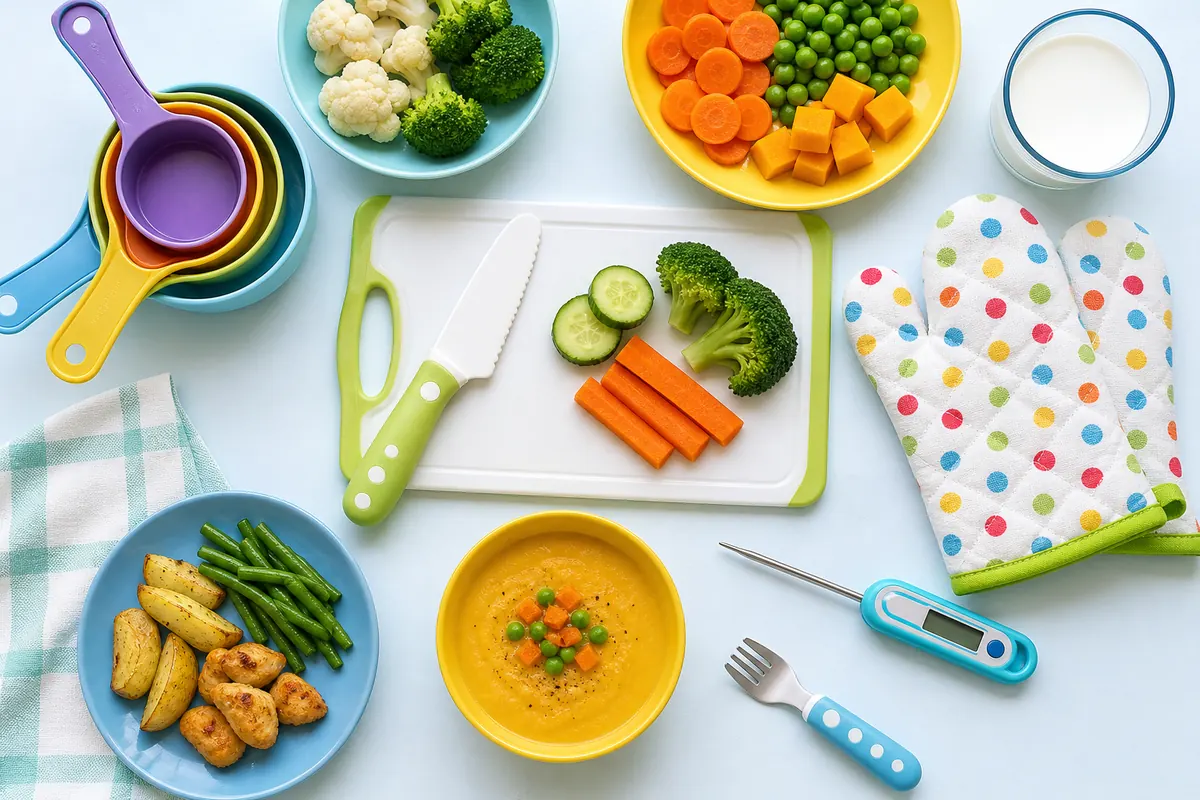
Cooking with children is one of the best ways to build their confidence, teach them about food and spend time together. It can also be a little nerve-racking for parents. Knives, hot pans and raw meat are all part of everyday cooking, and children need clear rules to stay safe.
With the right preparation and some sensible habits, the kitchen can be a place where kids learn real skills without unnecessary risks.
Set the ground rules
Before you start, explain a few simple rules and repeat them every time you cook together:
- Wash hands with soap and warm water before cooking, and after touching raw meat, fish or eggs.
- Tie back long hair and roll up loose sleeves.
- Ask an adult before using the stove, oven, knives or any electrical appliance.
- Walk, never run, in the kitchen.
- Tell an adult right away about spills, cuts or burns.
Jobs by age
Every child is different, so use these as rough guidelines rather than fixed rules.
Ages 2 to 4: Washing fruits and vegetables, tearing lettuce, stirring cold ingredients, mashing bananas and pressing cookie cutters into dough.
Ages 5 to 7: Measuring ingredients, cracking eggs, spreading butter or sauces, peeling with a child-safe peeler and cutting soft foods with a butter knife or a knife designed for children.
Ages 8 to 11: Reading recipes, grating cheese, using a real knife with supervision, and simple stovetop cooking like scrambling eggs with an adult nearby.
Ages 12 and up: Many children can begin to prepare simple meals on their own, use the oven and handle sharp knives, though they still benefit from an adult in the house.
Knife skills
A sharp knife is actually safer than a dull one, because it needs less force and is less likely to slip. Teach the "claw grip," where fingertips are tucked under the knuckles while holding food, and the "bridge" method for cutting round items in half. Always use a cutting board placed on a damp towel so it does not slide.
Heat and burns
Turn pot handles inward so they cannot be knocked off the stove. Keep children at a safe distance when opening the oven, draining pasta or frying, as steam and splattering oil can cause burns. Use oven mitts rather than thin dish towels. Keep a lid nearby when cooking with oil; if a small pan fire starts, turn off the heat and cover it. Never use water on a grease fire.
If a burn does happen, cool it under cool running water for at least 20 minutes, and get medical help for anything larger than a small surface burn.
Food hygiene basics
Children should learn early that raw meat, poultry, fish and eggs can carry harmful bacteria. Use separate cutting boards for raw meat and ready-to-eat foods, and wash surfaces and utensils with hot, soapy water after use. Do not let children taste raw cookie dough or batter, since both raw flour and raw eggs can carry germs.
A food thermometer is a useful tool for older kids to learn with. According to USDA guidelines, poultry should reach 165°F, ground beef and pork 160°F, and whole cuts of beef, pork and lamb 145°F with a three-minute rest.
Keep it fun
Safety rules work best when they are part of a positive experience. Choose simple recipes, allow extra time, and expect a little mess. Praise effort, not perfection. The skills children learn now will serve them for life, and the memories of cooking together often last even longer.