Japanese Bento Lunchboxes Made Simple
A beginner's guide to packing Japanese-style bento lunchboxes for kids: balanced portions, easy fillings like tamagoyaki and onigiri, and food safety tips.
- 3 min read
- Guide
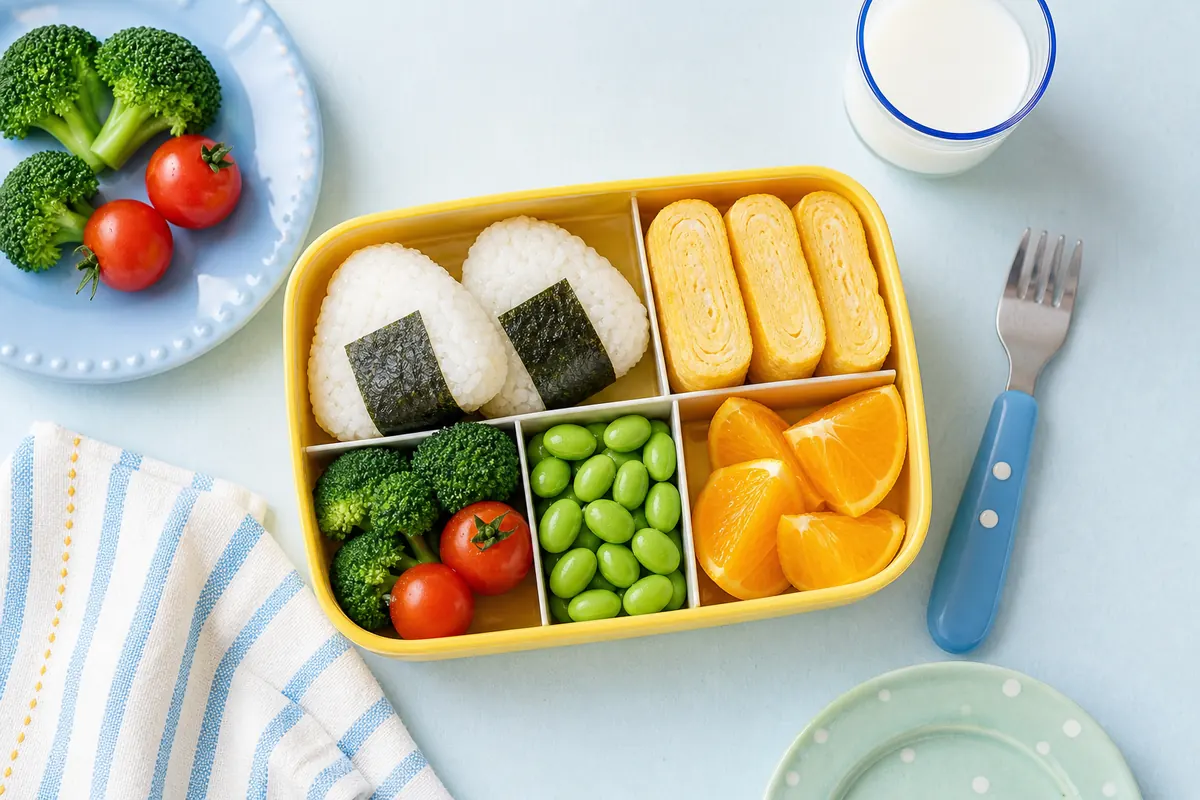
A bento is simply a packed meal in a box. In Japan, it can be anything from a convenience-store lunch to an elaborate creation that a parent gets up early to assemble. For families elsewhere, the bento idea offers something useful: a framework that makes packed lunches more varied, more balanced and, frankly, more fun to open.
You do not need cute rice molds or a dozen tiny containers to get started. One box with a divider, a few reusable silicone cups and a bit of planning will cover most school days.
The basic balance
A common rule of thumb for building a bento is to fill the box with roughly three parts carbohydrate, one part protein and two parts vegetables or fruit. It is a guideline rather than a law, but it stops lunch from becoming a box of crackers. Pack everything snugly so food does not slide around in the backpack; a tightly filled bento also looks better when it is opened.
Rice, the foundation
Short-grain Japanese rice is sticky enough to shape into onigiri, the triangular or round rice balls that appear in nearly every bento. Shape them with wet, lightly salted hands and fill them with something simple such as flaked cooked salmon or tuna mixed with a little mayonnaise. A sprinkle of furikake, a dry seasoning mix often made with sesame and seaweed, adds flavor without any extra effort. Wrap a strip of nori around the base just before packing, or keep it separate so it stays crisp.
Protein ideas
- Tamagoyaki: a rolled omelet, lightly sweet, cut into thick slices. It travels well and kids tend to love it.
- Karaage: Japanese-style fried chicken, marinated in soy sauce, ginger and garlic. Leftovers from dinner are perfect.
- Teriyaki meatballs: small and easy to eat with chopsticks or fingers.
- Edamame: shelled soybeans are a quick plant-based option.
Color from fruits and vegetables
Japanese home cooks pay attention to color in a bento, aiming for red, yellow, green, white and brown in each box. In practice, that means cherry tomatoes, blanched broccoli, sweet corn, carrot sticks, cucumber, and a few pieces of fruit such as grapes, clementine segments or apple slices dipped in a little lemon water to stop them browning.
If you want to explore further, browsing a Japanese recipe site such as reshipi.jp is a great way to discover everyday side dishes that Japanese families put in their own lunchboxes. Your browser's translation feature will handle the text, and the photos speak for themselves.
Food safety comes first
Because bentos are usually eaten at room temperature, a few rules matter. Let hot food cool completely before closing the lid, since trapped steam encourages bacteria. Cook eggs all the way through rather than leaving them soft. Pack an ice pack in an insulated bag, especially in warm weather, and avoid mayonnaise-heavy fillings on very hot days.
A sample week
Monday could be salmon onigiri, tamagoyaki, broccoli and grapes. Tuesday, leftover karaage with rice, cucumber and clementine. By Wednesday you might switch to a sandwich bento with rolled ham and cheese sandwiches cut into pinwheels. The box stays the same; only the contents change. That repetition is what makes it manageable.
Finally, involve your child. Let them choose one item each day. A lunch they helped plan is a lunch that is far more likely to come home empty.